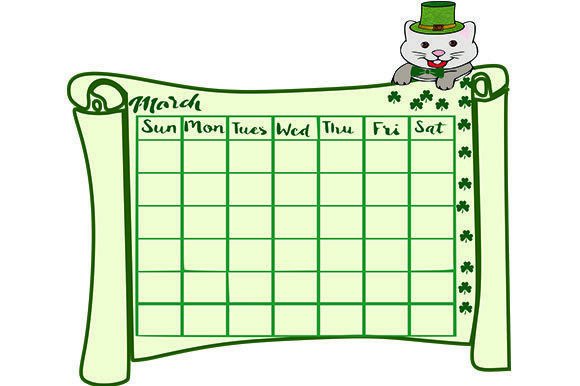
March Calendar: Your Essential Template for Spring Planning
The arrival of March signals a distinct shift in energy. We move from the deep introspection of winter into the preparatory rush of spring. For designers, planners, and creative entrepreneurs, this transition isn't just about changing weather; it’s about changing the visual landscape of our projects. A March Calendar isn't just a grid of dates; it is a foundational design asset that sets the tone for the entire month's content strategy and personal organization.
When we talk about a high-quality March Calendar Template, specifically one formatted as a high-resolution PNG with a transparent background, we are discussing a versatile tool for modern typography and layout. Unlike rigid JPEGs, a transparent PNG allows you to overlay this calendar onto any texture, background color, or digital environment without the awkward white box surrounding it. This flexibility is crucial for maintaining a cohesive brand identity across various platforms. Whether you are a blogger setting up your editorial calendar or a small business owner planning a marketing campaign, the ability to integrate the calendar seamlessly into your existing aesthetic is paramount.
The Anatomy of a Functional Design Asset
The true value of this specific March Calendar template lies in its utility as a design asset rather than just a finished product. It arrives in a zipped PNG format, which ensures the file remains uncompressed and the resolution stays crisp. In the world of print design, resolution is king. A high-resolution file means you can scale this calendar for large format printing—such as wall planners or bulletin boards—without pixelation. It also retains its clarity when scaled down for smaller inserts, like pocket planners or desk pads.
Visually, the "personality" of a calendar template should be one of clarity and structure. While we often associate personality with expressive typefaces like script fonts or handwritten fonts, a calendar requires a different kind of appeal. It needs to be a display font in function—clear, legible, and organized. The grid structure must allow for enough negative space so that the user can actually write on it or overlay text in digital editing software. If the design is too cluttered, it fails its primary purpose.
For those who enjoy seasonal flair, the reference to previous St. Patrick’s Day templates is significant. March is a month rich with visual motifs—shamrocks, rainbows, and the color green. However, a professional template balances seasonal cheer with professional utility. It serves as a canvas. You might use it to plan a St. Patrick's Day sale, schedule social media graphics for a spring launch, or simply organize your personal goals. The aesthetic should be adaptable enough to fit a corporate brand identity just as easily as it fits a personal scrapbooking project.
Strategic Applications for Entrepreneurs and Creatives
How does one actually deploy a March Calendar in a professional capacity? The applications are broader than many realize, extending far beyond hanging a picture on the wall. For the entrepreneur, this calendar is a strategic planning tool. It allows you to map out your month visually, identifying key dates for product drops, email newsletters, and content creation. When you can see the month laid out in a clean, high-resolution grid, it becomes easier to manage your time and resources effectively.
For the graphic designer or content creator, the March Calendar template acts as a foundational layer for client work. Imagine you are designing a social media kit for a client in the wellness or retail space. You can use this template as a base to create branded monthly overviews. Because the file is a PNG with a transparent background, you can drop it into Adobe Illustrator, Canva, or Procreate and instantly apply your client’s specific color palette or background textures. This saves hours of time that would otherwise be spent drawing grids and aligning text boxes.
Furthermore, consider the publishing and blogging niche. An editorial calendar is the backbone of a successful content strategy. Using a visually distinct March Calendar template helps in visualizing the flow of content. It allows you to see the spacing between topics, ensuring that your audience isn't overwhelmed with too much information at once, or that there are no gaps in your posting schedule. This visual hierarchy is essential for maintaining consistency, which is a key factor in building brand recognition and audience engagement.
Integrating Typography and Visual Hierarchy
While the template provides the structure, the user brings the typography. One of the most exciting aspects of working with a blank or semi-blank calendar template is the opportunity to experiment with font pairing. A calendar header (the month name) often calls for a bold serif font or a modern sans serif font to establish authority. The days of the week and the date numbers, however, need to be highly legible. This is where a clean sans serif font usually outperforms a decorative script font.
When you overlay your own text onto a March Calendar template, you are practicing the art of visual hierarchy. You are deciding what the eye sees first. Is it the date? Is it a specific event written on that date? By using a high-resolution template, you ensure that your typographic choices remain the focal point, rather than being distracted by artifacts or low-quality pixels. This attention to detail reflects professionalism. A client or a follower can instantly tell the difference between a hastily thrown-together graphic and a polished design asset.
Moreover, the versatility of a PNG file allows for creative layering. You can place the March Calendar over a photograph of a workspace, a flat lay of your products, or a seasonal background. This technique is particularly popular in web design and social media marketing. It creates a sense of immersion and context. Instead of a static, sterile image, the calendar becomes part of a lifestyle narrative. This is a subtle but powerful way to increase engagement, as it helps the audience visualize how the product or plan fits into their own lives.
Choosing and Evaluating Your Calendar Template
When selecting a March Calendar template, or any design asset for that matter, it is important to evaluate the technical specifications against your specific needs. A zipped PNG file is standard for high-quality assets, but you should always check the dimensions. Is the resolution sufficient for print? If you plan to use it for a commercial product, such as a planner insert that you sell, you must ensure you have the appropriate license for commercial use.
It is also wise to look for variations. As noted, checking for previous year's templates or variations (like those with St. Patrick's Day themes) can provide inspiration. You might find that a layout from a previous year actually suits your current project better than the newest release. A good library of design assets includes different grid densities—some months might require a "notes" section, while others might need a "goals" section.
Ultimately, the March Calendar is more than just a reminder of dates. It is a tool for organization, a canvas for creativity, and a component of a larger brand strategy. By choosing a high-quality, transparent, high-resolution template, you are equipping yourself with a flexible asset that can adapt to the changing needs of your projects. Whether you are printing it for your wall, using it to plan your business quarter, or incorporating it into a client design, the right template makes all the difference. It ensures that as the seasons change, your workflow remains seamless and your visual output remains professional.